
Homosexual vs. Heterosexual Parenting: Is There Really “No Difference”?

See the source image

Homosexual vs. Heterosexual Parenting: Is There Really “No Difference”?

 James R. Aist

(Note: numbers given in parentheses refer to specific references listed in the “References Cited” section at the end of the article)

“Children of homosexual parents are about 12-15 times more likely to become homosexual than are children of heterosexual parents.”

Introduction

Gay activists have insisted for years that there is no difference in the outcomes of parenting by homosexuals when compared to heterosexual parenting. Indeed, The American Psychological Association (APA) officially supports this claim. And the homosexual movement has used this claim to influence court decisions in favor of allowing homosexuals to legally adopt children. But, is this claim actually supported by the scientific facts? In other words, are the outcomes of homosexual parenting really equivalent to the outcomes of heterosexual parenting?

The APA Brief on Homosexual Parenting

In 2005, the Lesbian, Gay, and Bisexual Concerns Office of the APA published a brief (i.e., literature review) on this topic (1). In this brief, they cited 59 published articles in support of their summary claim that “Not a single study has found children of lesbian or gay parents to be disadvantaged in any significant respect relative to children of heterosexual parents.” However, in 2012, Loren Marks published a detailed analysis and critique of the scientific merit of that brief and the literature upon which it was based (2). Marks found that the studies cited in support of the APA summary claim are woefully lacking in sound scientific principles: 1) 77% of the studies are based on small, non-representative, biased samples of fewer than 100 subjects each; 2) 44% of the studies did not include a control group (i.e., a heterosexual comparison group), which is an absolute necessity for properly designed scientific studies of this nature; 3) 13 of the 33 studies that did include a control group used single parents, instead of two-biological-married parents, for the comparison; 4) the remaining 20 of these 33 studies with control groups ambiguously specified the make-up of the heterosexual control groups as “mothers” or “couples”; 5) the studies evaluated in the brief focused selectively on “gender-related outcomes” (such as, sexual orientation, gender identity, self esteem and self concepts) while societal concerns (such as excessive drinking, drug use, truancy and criminal offenses) were usually ignored; 6) none of the studies tracked societally significant long-term outcomes into adulthood, thus leaving the critical issue of parenting outcomes essentially unaddressed; 7) the brief seems to draw inferences of sameness of parenting outcomes based on analyses of small, non-representative samples lacking necessary statistical power; and 8) although the brief claims that “Not a single study has found children of lesbian or gay parents to be disadvantaged in any significant respect relative to children of heterosexual parents”, it ignores or dismisses two, scientifically sound studies published years earlier that did find evidence suggesting that children of lesbian or gay parents are disadvantaged in several significant respects relative to children of heterosexual parents. [This selective omission of two articles presenting contrary findings, even though the articles have considerable scientific merit (2), belies the strong pro-gay bias of the Lesbian, Gay, and Bisexual Concerns Office of the APA, which can also be easily detected in the mission statement (1) of that office.]

Noting that “Not one of the 59 studies referenced in the 2005 APA brief compares a large, random, representative sample of lesbian or gay parents and their children with a large, random, representative sample of married parents and their children”, Marks concluded that the strong assertions made in the APA brief were not substantiated by the published studies used, and were, therefore, unwarranted. In other words, as of 2005, scientific research had failed to prove that there is no difference between homosexual and heterosexual parenting, contrary to the conclusions in the (strongly biased) APA brief.

Studies Reporting Differences in Parenting Outcomes

The first two of these studies were published by S. Sarantakos. His 1996 paper (3) was a comparative analysis of 58 children of heterosexual married parents, 58 children of heterosexual cohabiting couples and 58 children living with homosexual couples, all matched according to socially significant criteria (e.g., age, number of children, number of parents in the household, education, occupation and socio-economic status). This study has some possible methodological weaknesses and confounding factors, but it also has several strong points of scientific design not present in the studies used for the APA brief (2). [It is significant that the comments of Marks (2) on this paper represent, in effect, a very favorable, post-publication, peer review.] Sarantakos (3) found several important criteria related to the children’s schooling in which homosexual parenting was apparently inferior to heterosexual parenting, including language, math, sports, sociability, learning attitude, parent-school relationships, support with homework and parental aspirations. Based on his results, he concluded that “…in the majority of cases, the most successful are children of married couples, followed by children of cohabiting couples and finally by children of homosexual couples.” Then in 2000, he published a book entitled “Same-sex Couples” (10). According to Marks (2), in this book, Sarantakos published the results of another research project in which he, once again, used two comparison groups, a married couple sample and a cohabiting couple sample, examined several outcomes of societal concern, and, very significantly, reported long-term outcomes in adults 18 years of age or older. Based on his results, which he obtained from statements made by the adult children of the parents, he concluded that adult children of homosexual parents report drug and alcohol abuse, education truancy, sexual activity and criminality in higher proportions than adult children of (married or cohabiting) heterosexual couples. Additionally, Marks (2) noted that Sarantakos (10) reported that “the number of children who were labeled by their parents as gay, or identified themselves as gay, is much higher than the generally expected proportion.” I will return to this finding later in the article.

Now let’s turn to several, more-recent studies, all of which were published in reputable, peer-reviewed scientific journals.

Regnerus (4) used a large (nearly 3,000), random sample of American young adults (ages 18-39) called “The New Family Structures Study.” This large, random sample avoided some of the major flaws of the earlier studies on this topic, such as very small sample sizes, biased sampling approaches (i.e., “convenience sampling”, where the data set is obtained by placing ads in homosexual publications and soliciting volunteers) and non-representative data sets (usually including only lesbian parents) (2). The study found that numerous, consistent differences do exist between children of parents who have had same-sex relationships and those with married, heterosexual parents. More specifically, he found that children of homosexual parents are more likely than those raised by heterosexual parents to suffer from poor impulse control, depression, suicidal thought, require mental health therapy, identify themselves as homosexual, choose cohabitation, be unfaithful to partners, contract sexually transmitted diseases, be sexually molested, have lower income levels, drink to get drunk, and smoke tobacco and marijuana. The study used a cross-sectional design (like a snapshot in time), and so the author was quick to point out that, although many differences were found, the results do not prove that the negative outcomes were caused by homosexual parenting itself. Nonetheless, this research clearly indicates that the claim that there are no differences in parenting outcomes must be re-evaluated with further research. And it also raises the possibility that homosexual parenting may, in fact, produce numerous, negative outcomes in adulthood, when compared to heterosexual parenting.

This publication (4) generated a firestorm of criticism and condemnation, some of which came from other researchers in social science. Accordingly, Regnerus answered the critics with new analyses (12). In this follow-up study, he discussed six of the most common and/or important criticisms and made several changes in response to the criticisms: an important change in the way he referred to homosexual parents and three major adjustments to groups and group assignments within the data set. The results were similar to those in the original article (4), but the magnitude of some of the differences declined somewhat. Thus, this new analysis of the data confirmed the conclusions of the original article; namely, that real differences do, in fact, exist in many outcomes that may be related to homosexual parenting vs. heterosexual parenting, including, but not limited to, sexuality, sexual behavior, educational attainment, smoking and arrests (12). And, once again, Regnerus emphasized that his results do not prove a cause-and-effect relationship between homosexuality and the negative outcomes. The onus now lies with his critics to prove him wrong.

Next, I want to summarize two related articles that compared the academic achievement of children with homosexual parents to those with married, heterosexual parents. Allen et al. (5) reexamined a previous study by Rosenfeld (11) that used a restricted sub-sample of a large, U.S. data base, the U.S. Public-Use Microdata Sample of the 2000 census. Rosenfeld concluded that “When one controls for parental SES and characteristics of the students, children of same-sex couples cannot be distinguished with statistical certainty from children of heterosexual married couples.” Using the same data set, but alternative comparison groups, an unrestricted sample and incorporating controls for the subgroups omitted in the Rosenfeld study, Allen et al., found that children being raised by same-sex couples are 35% less likely to make normal progress through school compared to children of heterosexual, married parents. The second of these two studies (6) used a much larger, random sample of the 2006 Canada census to examine high school graduation rates. The results showed that children living with gay and lesbian families were only about 65% as likely to graduate high school as were children living in heterosexual married families. Moreover, daughters of homosexual parents did considerably worse than sons in this study. This paper confirms the findings of Allen et al. (5), and these two studies, taken together, cast doubt on the ubiquitous claim that no difference exists; children living with same-sex parents do, in fact, perform poorer in school when compared to children from married, opposite sex families (6). However, these two studies also had a cross-sectional design; therefore, cause-and-effect inferences, or conclusions, cannot be made as to why these differences exist. Yet the results do raise the possibility that homosexual parenting itself may, in fact, result in poorer performance in school, when compared to heterosexual parenting.

The last study that I want to summarize addresses a difference found also in the Sarantakos (10) and Regnerus (4) studies: namely, that children of homosexual parents are much more apt to become homosexual themselves. The general consensus among researchers in this field of inquiry has been that there is no such difference. Schumm (7) conducted two meta-analyses of the results from previous studies concerning this issue (a meta-analysis combines and analyzes data from selected published studies in order to increase the sample size sufficiently to detect smaller differences and increase statistical power, thereby compensating for the small sample sizes and lack of statistically significant differences in the selected studies). The main thrust of his report deals with statistical analyses of the results of ten studies involving family histories of adult children with homosexual parents. The results of these analyses showed that 45% of the adult children of homosexual parents were homosexual. Using a verifiable figure of 3% as the prevalence of homosexuals (gay, lesbian and bisexual) in the general population, I calculated that adult children of homosexual parents are about 15 times more likely to be homosexual than are adult children of heterosexual parents. This difference is not only statistically significant, it is also clearly of a very large magnitude. But Schumm didn’t stop there. He proceeded to take data from 26 other studies that had concluded that there is no difference and to analyze them in a similar manner. When he restricted the data to those children who were 17 years old or older at the time the data were collected (in order to address the issue of adult outcomes per se), he found that 28% of the adult children of homosexual parents were homosexual, whereas only 2.3% of the adult children of heterosexual parents were homosexual. Thus, in this meta-analysis, adult children of homosexual parents were about 12 times more likely to be homosexual than were adult children of heterosexual parents. How could these extremely large and statistically significant differences (12-15 fold) come about? Schumm discussed five of the possibilities: 1) parental modeling of sexual orientation; 2) parental preference for the child’s sexual orientation; 3) the child’s greater questioning of their own sexual orientation; 4) parental desire for grandchildren; and 5) non-parental modeling of sexual orientation by homosexual friends of the homosexual parents. Regardless of the mechanism(s) involved, these results, taken together, strongly suggest that the post-natal environment of children with homosexual parents has a powerful influence on the development of homosexuality in the children, and that, in turn, argues persuasively against the popular notion that homosexual people are “born gay.” The strength of this argument is easily appreciated when one considers the fact that identical twin studies have demonstrated conclusively that the maximum contribution of all pre-natal influences (genetics, hormones, etc.) on the subsequent development of homosexuality can be no more than about 10%-15% (8). Some of the remaining 85%-90% post-natal influence could very well be a result of environmental and experiential factors inherent in the homosexual parenting context.

Possible Confounding Factors

Are there other factors commonly experienced by children of homosexual parents that may contribute to the negative outcomes of homosexual parenting reported in these studies? Osborne (9) identified several such factors, including divorce of the biological parents, social and structural stigmas targeting homosexual parents and their children, and multiple family forms (i.e., various combinations of remarriage, single parenting, cohabitation, adoption and step-parenting). The presence of these untested confounding factors makes it impossible, at present, to conclude that the sexual orientation of homosexual parents causes most of the negative outcomes in their children; nor does it rule out such a conclusion. That said, it appears to me that the most likely negative outcome of homosexual parenting that might be heavily influenced by the homosexual orientation of the parents is the homosexual orientation of their adult children, because 1) the effect has been reported in at least three separate studies using different data sets, and 2) the effect is so large (up to 12-15 fold) that it would not be expected to be attributable to unaccounted for, confounding factors. Perhaps the courts should not be so quick and eager to legalize homosexual adoption after all.

Summary

Gay activists have insisted for years that there is no difference in the outcomes of parenting by homosexuals when compared to heterosexual parenting. In 2005, the APA published a brief on this topic. In this brief, they cited 59 published articles in support of their summary claim that “Not a single study has found children of lesbian or gay parents to be disadvantaged in any significant respect relative to children of heterosexual parents.” However, in 2012, Marks published a detailed analysis and critique of the scientific merit of that brief and the literature upon which it was based. Marks found that the studies cited in support of the APA summary claim are woefully lacking in sound scientific design and principles and concluded that the strong assertions made in the APA brief were not substantiated by the published studies used, and were, therefore, unwarranted. Several other, more scientifically sound, studies have provided evidence that, indeed, there are many, often large, and very significant differences in the outcomes, possibly related to homosexual parenting compared to heterosexual parenting. These differences include inferior performance in school, a much lower graduation rate, poor impulse control, depression, suicidal thought, requirement for mental health therapy, cohabitation, unfaithfulness to sexual partners, contraction of sexually transmitted diseases, sexual molestation, lower income levels, drunkenness, tobacco and marijuana use and a very strong tendency for the adult children of homosexuals to self-identify as homosexual. In fact, adult children of homosexual parents are about 12-15 times more likely to be homosexual than are adult children of heterosexual parents. While it is not possible from these studies to conclude that the homosexual orientation of the parents directly or indirectly caused most of the negative outcomes found in their children, the results strongly suggest the possibility that homosexual parenting may not be equivalent to heterosexual parenting after all. The exception may be the homosexual orientation of the adult children of homosexual parents, which, in all likelihood, is heavily influenced by the homosexual orientation of the parents. At the very least, the claim that there are no differences in the outcomes of homosexual vs. heterosexual parenting should be re-evaluated with further research, based on the most scientifically sound research presently available. Perhaps the courts should not be so quick and eager to legalize homosexual adoption after all.

References Cited

1. Committee on Lesbian, Gay, and Bisexual Concerns of the American Psychological Society. 2005. Lesbian and Gay Parenting. (click HERE)

2. Marks, L. 2012. Same-sex parenting and children’s outcomes: A closer examination of the American Psychological Association’s brief on lesbian and gay parenting. Social Science Research 41:735-751. (click HERE to download)

3. Sarantakos, S. 1996. Children in three contexts: Family, education, and social development. Children Australia 21(3), 23–31.

4. Regnerus, M. 2012. How different are the adult children of parents who have same-sex relationships? Findings from the New Family Structures Study. Social Science Research 41:752-770. (click HERE)

5. Allen, D., et al. 2013. Nontraditional Families and Childhood Progress through School: A Comment on Rosenfeld. Demography 50(3), 955-961.

6. Allen, D. 2013. High school graduation rates among children of same-sex households. Review of Economics of the Household 11:635-658.

7. Schumm, W. 2010. Children of Homosexuals More Apt to Be Homosexual? A Reply to Morrison and to Cameron Based on an Examination of Multiple Sources of Data. Journal of Biosocial Science 42:721-742.

8. Aist, J. 2012. Are Homosexual People Really “Born Gay”? (click HERE)

9. Osborne, C. 2012. Further comments on the papers by Marks and Regnerus. Social Science Research 41:779-783.

10. Sarantakos, S. 2000.  Same-sex Couples.  Parramatta, N.S.W:  Harvard Press

11. Rosenfeld, M. 2010. Nontraditional Families and Childhood Progress Through School. Demography 47(3):755-775.

12. Regnerus, M. 2012. Parental same-sex relationships, family instability, and subsequent life outcomes for adult children: answering critics of the new family structures study with additional analyses. Social Science Research 41:1367-1377. (click HERE)

(For more articles on HOMOSEXUALITY, click HERE)
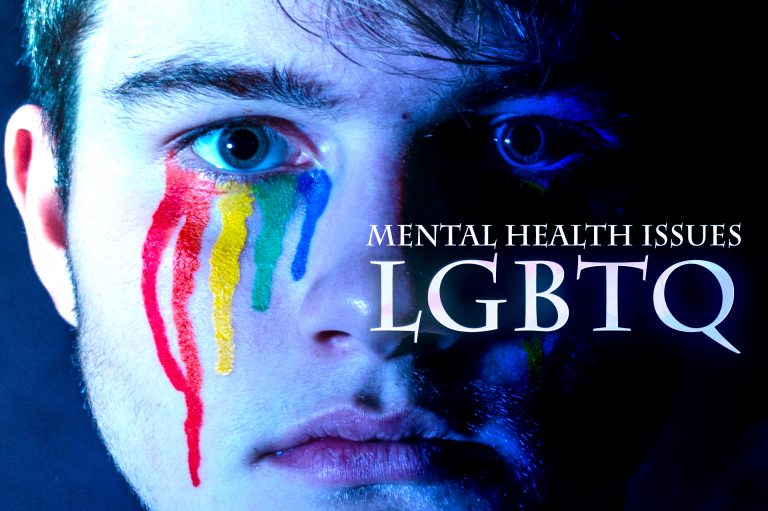


Why Do Homosexuals Have More Mental Health Problems?

See the source image

Why Do Homosexuals Have More Mental Health Problems?

James R. Aist

“You cannot prove a point by appealing to an assumption. Proof requires objective evidence.”

(NOTE: The numbers in parentheses refer to specific references listed at the end of the article)

Introduction

Homosexuality is associated with significantly elevated levels of mental health problems compared to heterosexuality, including a wide range of mental disorders, depression and suicide (1, 3). Gay activists have assumed that these differentially elevated mental health problems are a result of social and structural stigmas aimed at homosexual people by a heterosexual, homophobic society (e.g., 12), rather than anything having to do with the homosexual experience per se. Let’s have a look at the “scientific” “evidence” regarding this claim.

The “Science” of Homosexuality

Before I get into the details of this research, it is necessary to put the “science” of homosexuality into perspective. In the world of science, there are at least three categories based on the precision and reliability of the results obtained by scientific inquiry. Roughly speaking, the natural sciences are considered “hard” while the social sciences are usually described as “soft”. Features often cited as characteristic of hard science include: producing testable predictions, performing controlled experiments, relying on quantifiable data, a high degree of accuracy and objectivity and applying a purer form of the scientific method. Scientific disciplines can be arranged into a hierarchy of hard to soft, with physics and chemistry typically at the top, biology in an intermediate position and the social sciences at the bottom (click HERE). The “science” of homosexuality is squarely at the bottom of this hierarchy, being within the social sciences.

Let me illustrate briefly, with examples, how these three categories of scientific inquiry can produce different degrees of precision, accuracy, objectivity and reliability. The freezing point of water in a glass can be determined with a great deal of precision, reproducibility and objectivity (physics). The water has no control over the experimental result. The effect of temperature on the growth rate of a fungus in a Petri dish can be measured with precision as well (biology). The fungus has no control over the result. But to study homosexual behavior (social science), one must deal with a myriad of uncontrollable variables, many of which are not even known to the scientist, because people can think, emote, forget, imagine, interpret and decline to answer when they are being interviewed or completing questionnaires related to their sexuality, and they may bring their own personal agenda (bias) to the process as well. Therefore, the human subject has a great deal of influence on the data, and the outcome is necessarily “subjective” and often highly variable. This subjectivity and relative lack of control of the variables, which is characteristic of the “science” of homosexuality, can make it difficult or impossible to draw scientifically valid inferences and conclusions. And that is why the “science” of homosexuality is considered to be one of the “softest” of all the sciences.

Social Stigmas

The body of research purporting to validate the assumption that social stigmas cause the elevated levels of mental health problems in sexual minorities — by documenting associations between perceived discrimination of sexual minorities as reported in questionnaires soliciting individual responses, on the one hand, and negative mental health outcomes on the other hand — suffers from fatal flaws and limitations. While this research has managed to generate evidence of possible associations between social stigmas and elevated mental health problems in sexual minorities, Keyes, et al. (9) pointed out that results based on subjective, self-report of perceived discrimination could be confounded with mental health status, which may, in turn, lead to biased associations between social stigmas and mental health outcomes. They further stated that there are alternative pathways to mental disorders in homosexual people, such as social disadvantage and social norms. These are serious flaws that are not accounted for in these studies. Then they discussed what is called the “minority paradox”, where racial/ethnic minority groups (including Blacks, Hispanics and Asians) not only do not experience elevated levels of mental health issues in the presence of social stigmas, but they actually have lower rates compared to Whites. Thus, the theory that social stigmas cause mental health issues in minorities is apparently not valid for most large minority groups and is therefore suspect as a de facto explanation for mental health issues in sexual minorities.

In 2011, a study published by Chakraborty et al. (1) represented the first time that the association of perceived discrimination with mental health issues of sexual minorities was investigated using a random sample of the population, rather than responses from targeted minorities. But, once again, the results were based on the subjective responses of perceived discrimination and are subject to the flaws of such an experimental design, as discussed above. Moreover, the low magnitude of perceived discrimination (only 4.9% of the homosexuals in the study reported discrimination) was not only indicative of a very small potential effect of discrimination, but it left the vast majority of the mental health problems of the homosexuals in this study to be explained by other factors that were not identified. In a scientifically reviewed response to this report (2), psychiatrist  Dr. Mohinder Kapoor pointed out that cross-sectional studies like this can only raise the question of an association, rather than test a hypothesis (i.e., the cross-sectional experimental design does not allow scientifically valid cause-and-effect inferences to be made). He further concluded, boldly, that one cannot test whether psychiatric problems are associated with discrimination on grounds of sexuality.

In another recent study, concerning purported effects of the social environment on suicide attempts in sexual minority youth (4), there were also fatal flaws: 1) the cross-sectional design of the study did not permit valid inferences or conclusions to be drawn regarding causality; 2) although the data base used contained information on such things as “physical abuse by a romantic partner”, “sexual contact with an adult” and “ever being forced to have intercourse involuntarily” (11), these potentially confounding factors were mysteriously omitted from the study; 3)  the difference found was not statistically significant (i.e., not shown to be real); and 4) the magnitude of the difference found was so small as to be functionally inconsequential (i.e., not a significant factor, even if real (11). Thus, this study of social stigmas also failed to provide any scientifically valid conclusions regarding the cause of mental health problems of sexual minorities.

To summarize, studies purporting to demonstrate that social stigmas, operating at the level of individual experience, cause mental health problems in sexual minorities suffer from fatal flaws and limitations, such as the use of “perceived discrimination”, failure to account for plausible alternative explanations, a “cross sectional” design, and minute and statistically insignificant differences, any one of which is sufficient to make valid cause-and-effect inferences impossible from a scientific standpoint. Thus, this body of research has failed to provide any scientifically valid conclusions upon which to base new public policy measures (e.g., legalization of “gay marriage”) aimed at reducing the disparate levels of mental health problems found in sexual minorities.

Structural Stigmas

The failure of earlier studies to validate the theory that social stigmas and discrimination cause elevated levels of mental health problems in sexual minorities has spawned a new research initiative using a different research design (5-8). The strategy here is to use more objective “structural stigma” and “structural remediation” as measures of discrimination, rather than the subjective measure using self-reported perceptions of discrimination. The specific mental health issues included in these studies were various mental health disorders, depression and early mortality (including both suicide and murder).

The basic aim of this relatively new research strategy is to show that certain governmental and institutional actions or religious viewpoints that target the homosexual community in selected geographic regions (e.g., a ban on “gay marriage”, exclusion of “sexual orientation” from anti-discrimination laws, and labeling of homosexual behavior as “sin” by Christian denominations) represent structural stigmas that cause the mental health problems that affect homosexuals differentially when compared to geographic regions that have gay-affirming policies in place (e.g., legalization of “gay marriage”, inclusion of sexual orientation in anti-discrimination laws and more liberal Christian denominations that do not view homosexual behavior as sin).

While these studies have succeeded in documenting possible associations between structural stigmas and elevated levels of mental health problems of sexual minorities, I found that all of these research studies, much like their predecessors, have fatal flaws and limitations that preclude the drawing of objective, scientifically valid, cause-and-effect inferences or conclusions: 1) all but two of these original research articles admit that the “cross-sectional” nature of the data precludes the drawing of any cause-and-effect inferences or conclusions; 2) the authors also admit that, in every case, their results could be easily accounted for by “differential mobility”, whereby the stigmas under study would prompt relocation of the healthier portion of the homosexual minority population to a more gay-friendly geographic region prior to the gathering of the data; and 3) all of these studies failed to take into account several potentially important “confounding factors” that could have produced the differences reported (i.e., the authors don’t really know what may have caused the results they obtained).

The two studies that were “longitudinal” (i.e., data were collected at two different times), rather than “cross sectional” (i.e., data were collected at only one time), deserve further consideration, because the problems associated with a cross-sectional design were avoided. The first of these two studies (6) purported to show that structural stigmas cause increased psychiatric disorders in sexual minorities by using a data base that included data collected at two different times. Serious limitations included the following: 1) the data set was too small (some of the results were not statistically significant and therefore not shown to be real); 2) sexual orientation was assessed only for the second period of data collection, not for the first, making any perceived increases due to sexual orientation suspect; 3) there was a 48% increase in psychiatric disorders among sexual minorities living in states without gay marriage bans (conflicting results); and 4) they did not rule out differential mobility as an alternative explanation for the results. For these reasons, the authors were not able to draw any clear cut conclusions from the results of the study. The second of these two longitudinal studies (7) purported to show that legalizing same-sex marriage reduced both the use of and the expenditures of gay and bisexual men at health care clinics. The most serious limitations of this study included the following: 1) there was no comparison to a control group of heterosexual men (a requirement of properly designed scientific studies); 2) failure to consider the likely effects of a declining economy on the parameters studied (N.B.- the AMA’s Council on Science and Public Health noted that such correlations were due to economics, cf. 10); and 3) billing record data were not subjected to statistical analysis to determine whether or not the differences reported were real (also a requirement of properly designed scientific studies). For these reasons, the authors did not draw any clear cut conclusions from the results of the study.

In addition, in another of these studies (8), missing data were “imputed” (i.e., artificially generated and then added to the database) to obtain statistically significant differences (only in the “soft sciences” would such a procedure be permissible)!

Therefore, it can be fairly stated that this newer body of research is so riddled with fatal flaws that, at best, it “may suggest the possibility that structural stigmas could account for some of the negative health outcomes for sexual minorities in some cases.”

Conclusions

My conclusions, based primarily on scientific perspectives and concessions of the scientists who conducted the original research on social and structural stigmas, are that 1) at the most, this may be a worthwhile area of research for more objective and scientifically sound investigations in the future, if and when that becomes possible; and 2) for the time being, the jury is still out concerning what really causes the elevated levels of mental health problems in sexual minorities. Hatzenbuehler et al. (8) actually admitted that no study has shown that either social or structural stigmas cause mental health problems! Thus, this entire body of research has failed to provide any scientifically valid conclusions upon which to base new public policy measures (e.g., legalization of “gay marriage”) aimed at reducing the disparate levels of mental health problems found in sexual minorities.

If Not Stigmas, Then What?

I suggest that it remains a real possibility that the elevated levels of mental health problems among sexual minorities is caused primarily by the unwanted, dreadful realization — during the emotionally charged and very sensitive pre-teen and teen years — that one is sexually attracted to members of the same gender, instead of to members of the opposite gender, and that this realization is psychologically and mentally devastating to individuals because it dashes their deeply held and cherished hopes and dreams of leading a normal, healthy, heterosexual adult life that includes a wife and children. In other words, maybe the elevated levels of mental health problems experienced by homosexual people are primarily an indirect result of being homosexual in a heterosexual world, rather than a result of social and structural stigmas created by heterosexual “homophobes.” For example, because homosexual people are only about 1.5% of the general population (click HERE), feelings of isolation and loneliness could very well account for part of the disparity in mental health problems, as could the high levels of promiscuity and relationship breakups that are characteristic of the homosexual population (11, 13). King and Nazareth (2006) put it this way: “There are a number of reasons why gay people may be more likely to report psychological difficulties, which include difficulties growing up in a world orientated to heterosexual norms and values…” (2). And, as mentioned above, Keyes, et al. (9) stated that there are alternative pathways to mental disorders in homosexual people, such as social disadvantage and social norms. Unfortunately, in our politically correct, liberal, social climate, blaming the heterosexual majority for the problems experienced by the homosexual minority always takes precedence over anything that might, instead, be innocently inherent in the basic nature of the homosexual experience itself. Homosexual behavior is biologically aberrant and unnatural, medically unhealthy and biblically immoral. The sooner the gay activists accept these realities, the sooner homosexual people can get around to the business of dealing with their disorder realistically, instead of trying to blame their problems on those of us who refuse to join them in their fantasy world.

Potential Influence on Social Policies and Laws

Despite the lack of any scientifically valid conclusions in any of these studies, they are being used to shape the development of public opinion, social policies and laws and to weigh in on law suits regarding such things as “gay marriage” and “hate crimes” (3, 5, and click HERE ). You should be aware that this is the kind of so-called “scientific” research that is fueling the advancement of the “gay agenda.”

After Word

The elevated levels of mental health problems in sexual minorities, compared to levels found in the heterosexual majority, are very real and represent a serious public health problem that deserves continuing efforts to understand and eliminate this disparity, insofar as possible. Regardless of what the causes of this disparity may be, Christians should be at the forefront of efforts to eliminate mistreatment of homosexual people, including, but not limited to, teasing, bullying, name-calling, unnecessary discrimination, beating and, of course, murder. We are always to “Do unto others as you would have them do unto you…” (Matthew 7:12).

And yet there are concessions that cannot be made while remaining true to our Christian, religious convictions as prescribed in the Bible, and to biological realities. In all honestly, we cannot and should not abandon the biblical views concerning the immorality of homosexual practice (Genesis 19:5 with Jude 1:7; Leviticus 18:22; Leviticus 20:13; Romans 1:26-27; I Corinthians 6:9-10; and I Timothy 1:10), including “gay marriage” (click HERE). Nor should we remain silent about these matters; the Bible requires that we warn against the spiritual result of unrepented sins (Ezekial 33: 8-9), and it warns us to refrain from encouraging and/or approving of sin (Leviticus 19:1; Isaiah 5:20; Malachi 2:17; Matthew 5:19-20; Matthew 18:6; Romans 14:22). And we should be willing to be condemned by the world for discriminating against practicing homosexuals who want to be church members and leaders and/or employees of churches and para-church organizations (click HERE). Moreover, we should not lose sight of the fact that the practice of homosexuality is statistically abnormal (wherever it may be found in nature), biologically unnatural (wherever it may be found in nature) and medically unhealthy (click HERE). To deny these self-evident, and well-documented facts that characterize homosexual practice just to try to make homosexual people feel better about themselves would be both dishonest and counter-productive. Physical and mental health will not result from living in a make-believe world that denies reality. And finally, Christians should encourage dissatisfied homosexual people to seek and obtain counseling and ministry that is bible-based, to help them deal effectively and honestly with their unwanted homosexuality, and, hopefully, to abandon it (click HERE).

In standing our ground, however, we should always treat homosexual people with all appropriate expressions of love, kindness and respect, as these are defined in the Bible. And we should always be quick to share the good news of the Gospel of Jesus Christ with homosexual people if and when the opportunity presents itself, keeping in mind that we are all made in the image and likeness of God and are all dearly loved by Him. Once a homosexual person becomes born-again, the Holy Spirit will make sure that conviction comes and homosexual sins are repented and abandoned (click HERE). “The Lord is … not wanting anyone to perish, but everyone to come to repentance.” (2 Peter 3:9). And, as Christians, that must remain our desire as well for homosexual people.

Summary

Homosexuality is associated with significantly elevated levels of mental health problems compared to heterosexuality. Gay activists assume that these differentially elevated levels of mental health problems are a result of social and structural stigmas aimed at homosexual people by a heterosexual, homophobic society, rather than having anything  to do with the homosexual experience per se. Scientists have attempted to prove that this assumption is true by conducting studies that generate an apparent association of either social or structural stigmas with elevated levels of mental health problems in sexual minorities. However, all of these studies have fatal flaws and limitations that prevent scientifically valid cause-and-effect inferences or conclusions to be made, leaving us with the original assumptions still untested. Even the leading researcher in this field admitted that no study has shown that either social or structural stigmas cause mental health problems! Therefore, it remains a real possibility that this phenomenon is caused primarily by the unwanted, dreadful realization — during the emotionally charged and very sensitive pre-teen and teen years — that one is sexually attracted to members of the same gender, instead of to members of the opposite gender, and that this realization is psychologically and mentally devastating to individuals because it dashes their deeply held and cherished hopes and dreams of leading a normal, healthy, heterosexual adult life that includes a wife and children. In other words, could it be that the elevated levels of mental health problems experienced by homosexual people are simply an indirect result of being homosexual in a heterosexual world, rather than a result of social and structural stigmas created by a homophobic, heterosexual majority? Regardless of why sexual minorities have elevated levels of mental health problems, we should always treat homosexual people with appropriate expressions of love, kindness and respect, as these are defined in the Bible. And we should always be quick to share the good news of the Gospel of Jesus Christ with homosexual people when the opportunity presents itself, keeping in mind that we are all made in the image and likeness of God and are dearly loved by Him.

References Cited

1. Chakraborty, A., et al. (2011). Mental Health of the non-heterosexual population of England. British Journal of Psychiatry 198:143-148.

2. Collingwood, J. (2011). Higher Risk of Mental Health Problems for Homosexuals. Psych Central (click HERE).

3. Hatzenbuehler, M.L. (2010). Social Factors as Determinants of Mental Health Disparities in LGB Populations: Implications for Public Policy. Social Issues and Policy Review 4:31-62.

4. Hatzenbuehler, M.L. (2011). The Social Environment and Suicide Attempts in Lesbian, Gay, and Bisexual Youth. Pediatrics 127:896-903.

5. Hatzenbuehler, M., et al. (2009). State-Level Policies and Psychiatric Morbidity in Lesbian, Gay, and Bisexual Populations. American Journal of Public Health 99:2275-2281.

6. Hatzenbuehler, M., et al. (2010). The Impact of Institutional Discrimination on Psychiatric Disorders in Lesbian, Gay, and Bisexual Populations: A Prospective Study. American Journal of Public Health 100:452-459.

7. Hatzenbuehler, M., et al. (2012). Effect of Same-Sex Marriage Laws on Health Care Use and Expenditures in Sexual Minority Men: A Quasi-Natural Experiment. American Journal of Public Health 102:285-291.

8. Hatzenbuehler, M., et al. (2014). Structural Stigma and All-Cause Mortality in Sexual Minority Populations. Social Science and Medicine 103:33-41.

9. Keyes, K., et al. (2011). Stressful Life Experiences, Alcohol consumption, and Alcohol Use Disorders: The Epidemiologic Evidence for Four Main Types of Stressors. Psychopharmacology 218:1-17.

10. Menzie, N. (2014). Study Linking Marriage to Gay Men’s Health ‘Flawed’, Say Experts. The Christian Post (click HERE).

11. Schumm, W. (2011). Replies to “The Social Environment and Suicide Attempts in Lesbian, Gay, and Bisexual Youth.” (click HERE)

12. Tracy, N. (2013). Homosexuality and Mental Health Issues. Healthy Place: Trusted Mental Health Information (click HERE).

13. Whitehead, N. (2002). Are Homosexuals Mentally Ill? (click HERE).

(To find more of my articles about HOMOSEXUALITY, click HERE)

What the Bible Tells Us about “Gay Marriage”

See the source image

What the Bible Tells Us about “Gay Marriage”

James R. Aist

 Introduction

Recently, a gay activist reacted to my biblical definition of “gay marriage” (click HERE) with something like this: “The Bible doesn’t say anything about gay marriage. Show me where the Bible mentions gay marriage. You can’t.” That reaction inspired me to write this article for my website, because I sensed right away that a good response on my part would require more than a passing comment.

The fact is, the Bible often infers or implies (i.e., teaches) us much more than it says explicitly with a definitive word or phrase. For example, the doctrine of the “trinity” is wholly derived from what the Bible says in many related passages, but the word “trinity” is not to be found anywhere in the Bible. Likewise, the doctrine of the omniscience of God is based upon many things that the Bible tells us about God, but the words “omniscient” and “omniscience” are not used in the Bible. When it comes to “gay marriage”, the Bible says many things about marriage and homosexuality that tell us all we really need to know in order to realize that God does not approve of it, without actually using the term “gay marriage” or its biblical equivalent, whatever that would be. Now, let’s move on to develop this topic in some detail.

The Inspiration of the Bible

It is important to grasp the unique nature of the Holy Bible in order to understand that what the Bible tells us about “gay marriage” is divine truth and is, therefore, definitive, unequivocal and final. So, let’s first lay the foundation for the “inspiration” of the Bible.

God is omniscient: This means that God is all-knowing, that He has knowledge of all things past, present and future. What is unknown to man is known to God. And, God knows the end from the beginning. Thus, whatever will exist or will be done in the future is not a surprise to God; He already knows about it and always has. Consider the biblical witness:

  • “If our hearts condemn us, we know that God is greater than our hearts, and he knows everything.” (1 John 3:20)
  • “Nothing in all creation is hidden from God’s sight. Everything is uncovered and laid bare before the eyes of him to whom we must give account.” (Hebrews 4:13)
  • “Who then is like me? Let him proclaim it.
    Let him declare and lay out before me
    what has happened since I established my ancient people,
    and what is yet to come—
    yes, let them foretell what will come.”(Isaiah 44:7)
  • Peter was hurt because Jesus asked him the third time, “Do you love me?” He said, “Lord, you know all things; you know that I love you.” (John 21:17)

The Bible Is Inspired by the Omniscient God: The Bible – all of it – is inspired (i.e., God-breathed) by the Holy Spirit. As such, it is the infallible Word of God Himself and, therefore, it is useful for teaching, rebuking, correcting and training. We have God’s word on it that the Bible is truth, and “God is not human, that he should lie, not a human being, that he should change his mind.” (Numbers 23:19). Here is the biblical witness:

  • “All Scripture is God-breathed and is useful for teaching, rebuking, correcting and training in righteousness” (2 Timothy 3:16)
  • “First of all, the Jews have been entrusted with the very words of God.” (Romans 3:2)
  • “Above all, you must understand that no prophecy of Scripture came about by the prophet’s own interpretation of things.  For prophecy never had its origin in the human will, but prophets, though human, spoke from God as they were carried along by the Holy Spirit.” (2 Peter 1:20-21)
  • “This is what we speak, not in words taught us by human wisdom but in words taught by the Spirit, explaining spiritual realities with Spirit-taught words.” (1 Corinthians 2:13)
  • “The words I say to you I do not speak on my own authority. Rather, it is the Father, living in me, who is doing his work.” (John 14:10)
  • “Sanctify them by your truth. Your word is truth.” (John 17:17)

Implications for Same-sex Marriage

God Approves of Non-sexual Same-sex Relationships: The Bible speaks well of several non-sexual, same-sex relationships, including Jonathan and David (1 Samuel 20), Ruth and Naomi (Ruth 1) and Jesus and John (John 13:23, 19:26, 20:2 and 21:20). There is no valid evidence whatsoever to support the speculation of gay activists that any of these relationships were homosexual in nature. The Bible speaks only of their relationships as involving what we would refer to today as “brotherly love”, without even a hint of “sexual love.” God’s disapproval comes into play when same-sex relationships become sexual.

God Condemns Homosexual Behavior In Any Context: Homosexual behavior is unequivocally and consistently portrayed in the Bible as sin (Genesis 19:5 with Jude 1:7; Leviticus 18:22; Leviticus 20:13; Romans 1:26-27; I Corinthians 6:9-10; and I Timothy 1:10). The biblical witness on this point could not be any clearer. Moreover, nowhere does the Bible indicate approval of homosexual behavior in any context. Gay activists speculate that the condemnation of homosexual behavior in the Bible could not apply to modern, loving, committed, faithful and long-term same-sex relationships because the (human) writers of the Bible knew nothing about such relationships. But that speculation does not take into account that the writers of the Bible were writing under the inspiration and direction of the Holy Spirit of the omniscient God, the God who has knowledge of all things past, present and future. The omniscient God of the Bible has always known everything there is to know about all homosexual relationships, past, present and future, including the “modern” ones, and yet He made no accommodation whatsoever for any of them in the Bible. The fact is that the Bible condemns all homosexual behavior as sin, without exception, regardless of the context. And that is God’s word on the matter.

God’s Definition of Marriage Excludes “Gay Marriage”: In Genesis 1:27-28, the Bible says “So God created mankind in his own image, in the image of God he created them; male and female he created them. God blessed them and said to them, “Be fruitful and increase in number; fill the earth and subdue it”. And in Genesis 2:23-24, “The man said, “This is now bone of my bones and flesh of my flesh; she shall be called ‘woman,’ for she was taken out of man.” That is why a man leaves his father and mother and is united to his wife, and they become one flesh.” We see here that God’s original design for human sexuality was heterosexuality, since He created them male and female and gave them the task of filling the earth. Then He defined marriage as the union of a man and a woman, as evidenced by His referring to Eve as Adam’s wife. And in Matthew 19:4-6, Jesus confirmed the definition of marriage in Genesis 2: “Haven’t you read,” he replied, “that at the beginning the Creator ‘made them male and female,’ and said, ‘For this reason a man will leave his father and mother and be united to his wife, and the two will become one flesh’? So they are no longer two, but one flesh. Therefore what God has joined together, let no one separate.” Thus, the biblical definition of marriage, first recorded in the Old Testament and later confirmed by Jesus in the New Testament, is as follows: a lifelong, exclusive commitment between one man and one woman. Therefore, so-called “gay marriage” is excluded and invalidated by God’s definition of marriage, regardless of how loving, committed, faithful and long-term the same-sex relationships may be. If the omniscient God of the Bible had intended for modern, loving, committed, faithful and long-term same-sex relationships to qualify for marriage, then He would not have excluded them by definition.

Summary

The God of the Bible is omniscient (i.e., all-knowing). He has knowledge of all things past, present and future, including all things homosexual. The Bible – all of it – is inspired (i.e., God-breathed) by the Holy Spirit. As such, it is the infallible Word of God Himself. God approves of non-sexual same-sex relationships, such as Jonathan and David, Ruth and Naomi, and Jesus and John. His disapproval comes into play when same-sex relationships become sexual. In fact, God condemns homosexual behavior in any context. God’s definition of marriage — a lifelong, exclusive commitment between one man and one woman — excludes and invalidates “gay marriage.” If the omniscient God of the Bible had intended for modern, loving, committed, faithful and long-term same-sex relationships to qualify for marriage, then He would not have excluded them by definition.

(For more articles on HOMOSEXUALITY, click HERE)

Satan’s Sinister, Sister Attacks on Humanity

See the source image

Satan’s Sinister, Sister Attacks on Humanity

James R. Aist

“The thief comes only to steal and kill and destroy; I have come that they may have life, and have it to the full.” – Jesus (John 10:10)

Introduction

On the sixth day of creation, “…God created mankind in his own image; in the image of God he created them.”(Genesis 1:27). It was only after Adam and Eve were created that God said of His entire creation, “it is very good.” (Genesis 1:31b). When God had created Adam and Eve, He said to them “Be fruitful and increase in number and fill the earth.” (Genesis 1:28a). God’s first instruction to Adam and Eve was to reproduce, to replicate the crown jewels of His creation, human beings.

Now, God had already created Satan, but only mankind was made in the very image and likeness of God, and only mankind was given dominion over His creation (Genesis 1:28). This made Satan, who wanted to exalt himself above God (Isaiah 14:13), exceedingly jealous and hateful of mankind. In Genesis 3:15, after Satan had convinced Adam and Eve to disobey God’s command to not eat the fruit of the tree of knowledge of good and evil, God said to Satan, “And I will put enmity between you and the woman, and between your offspring and hers; he will crush your head and you will strike his heel.” And in John 8:44, Jesus said that “… the devil… was a murderer from the beginning…” Peter also referred to Satan as “our enemy” (1 Peter 5:8). Clearly, Satan is the archenemy of mankind and seeks ways to satisfy his jealousy and hatred toward us. And what better way to do that than to prevent human reproduction, or, failing that, to get mothers to murder their own children in the womb. So, let’s look into this matter further and see if homosexuality and abortion are, indeed, tools of Satan to undermine God’s command to “Be fruitful and increase in number and fill the earth” and to satisfy his hatred toward us.

Homosexuality

I have already shown that God would not and does not create anyone to be homosexual (click HERE). Like all other sins, homosexuality came into the world through the “original sin” of Adam, after God had finished His six days of creative activity. And it was Satan who enticed Eve (and through her, Adam) to disobey God (i.e., to sin) (Genesis 3:1-6). From that moment on, all of mankind has been born with a proclivity to sin. Therefore, Satan is the root source of all sins and of all temptations to sin, including homosexual temptations and sins.

Now, human beings are among the “animals” that reproduce sexually by the union of a male’s sperm with a female’s egg. Thus, homosexuality renders one incapable of reproducing naturally, because, to reproduce, one has to want to have sex with the opposite gender. And, that is how we can know that homosexuality is one strategy that Satan has used to thwart God’s plan for human sexuality, that is, to “be fruitful and multiply.” Moreover, from the human perspective, by destroying the natural, human sexual desire for the opposite gender, homosexuality steals from men and women their ability to fulfill one of their most basic, fundamental and precious human desires; that is, to conceive naturally and bear children (cf. John 10:10a).

Abortion

Since homosexuality prevents only about 1.5% of the general population from reproducing naturally, Satan isn’t satisfied to stop there. Abortion has become so common that it has greatly eclipsed homosexuality as the number one enemy of human procreation. About 3,200 babies are aborted in the U.S. alone each day (click HERE)! For this satanic strategy to be most successful, pregnant women have to believe the lie that their unborn child is not really a human being at all. Enter the pro-abortion lobby, led by Planned Parenthood, the largest provider of abortion in America. They are doing everything they can to persuade pregnant women to believe that their unborn child does not become human until some arbitrary point in the gestation process has been reached. But the fact is, there is no identifiable point in this continuum of pre-natal development at which an unborn child becomes suddenly human; the unborn child, having the full complement of human chromosomes – one set from each of the two parents —  is, biologically speaking, a human being from the moment of conception (click HERE). Now, recall that Jesus said of Satan, “… He was a murderer from the beginning, not holding to the truth, for there is no truth in him. When he lies, he speaks his native language, for he is a liar and the father of lies” (John 8:44). This is how we can know for sure where this lie comes from!

Abortion violates not one, but two, God-given commands: 1) the sixth Commandment, “Do not murder” (Exodus 20:13); and 2) “Be fruitful and increase in number and fill the earth” (Genesis 1:28a). And, being murder in its very nature (click HERE), abortion is an obvious way that “The thief comes to…kill…” (John 10:10a; cf. John 8:44). What more evil assault on humanity can there be, than to convince a mother to murder her innocent, helpless child in the womb?! Moreover, abortion is not pro-woman, as the abortion lobby claims. In fact, just the opposite is true. Perhaps the most distinctive human function that defines and exalts a woman is her God-given privilege to carry, nurture and deliver a new human life. Abortion directly attacks the very essence of womanhood. And that is anti-woman, not pro-woman!

Conclusion

Jesus said, “…I have come that they may have life, and have it to the full.” Nothing could represent more direct attacks against this goal and purpose of Jesus than homosexuality (by preventing human reproduction) and abortion (by murdering unborn children). Satan, on the other hand, “…comes only to steal and kill and destroy” mankind’s natural sexuality (via homosexuality) and progeny (via abortion). These two strategies, homosexuality and abortion, are Satan’s sinister, sister attacks on humanity. This conclusion is confirmed by the fact that LGBTQ people are flocking to groups that are followers of Satan or Satan worshipers. A good example of this trend is the Satanic Temple, whose membership is well more than half LGBTQ and are ardent and very active supporters of both the gay agenda and abortion (click HERE).

After Words

Through it all, let us be quick to treat homosexual people with respect and dignity and to share the Good News of the Gospel of Jesus Christ with them. And may we not let our hearts become darkened with hatred towards homosexual people, just because we hate their homosexual lifestyle. As the Apostle Paul said, “For our struggle is not against flesh and blood, but against the rulers, against the authorities, against the powers of this dark world and against the spiritual forces of evil in the heavenly realms.” (Ephesians 6:12).

And, regarding abortion, it’s important to keep in mind that there is no sin that is so big and so bad that God will not forgive it. In fact, God wants to forgive you and bring you peace. He has made this promise to you: “If we confess our sins, he is faithful and just and will forgive us our sins and purify us from all unrighteousness.” (1 John 1:9). He is “faithful” to forgive you because He has promised to do so, and God does not lie or break His promises (Numbers 23:19); He is “just” to forgive you because Jesus paid the full price for your sins when He suffered and died for them, in your place, and, therefore, it would be unjust of Him to not forgive you! And He doesn’t stop there. He will also cleanse you from the stain of your sin and of the guilt and shame associated with it; God will separate your sins from you “as far as the East is from the West” (Psalm 103:12), and he will not keep bringing it up and holding it against you (Isaiah 43:25). You have God’s word on it (Numbers 23:19), so take Him at His word, receive His forgiveness and move on with the peace of Christ.

(To read more of my articles about HOMOSEXUALITY, click HERE; and about ABORTION, click HERE)