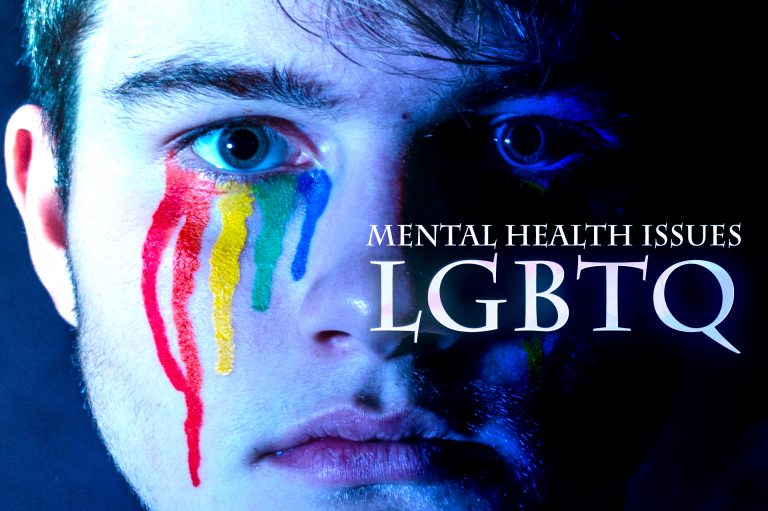
Why Do Homosexuals Have More Mental Health Problems?

See the source image

Why Do Homosexuals Have More Mental Health Problems?

James R. Aist

“You cannot prove a point by appealing to an assumption. Proof requires objective evidence.”

(NOTE: The numbers in parentheses refer to specific references listed at the end of the article)

Introduction

Homosexuality is associated with significantly elevated levels of mental health problems compared to heterosexuality, including a wide range of mental disorders, depression and suicide (1, 3). Gay activists have assumed that these differentially elevated mental health problems are a result of social and structural stigmas aimed at homosexual people by a heterosexual, homophobic society (e.g., 12), rather than anything having to do with the homosexual experience per se. Let’s have a look at the “scientific” “evidence” regarding this claim.

The “Science” of Homosexuality

Before I get into the details of this research, it is necessary to put the “science” of homosexuality into perspective. In the world of science, there are at least three categories based on the precision and reliability of the results obtained by scientific inquiry. Roughly speaking, the natural sciences are considered “hard” while the social sciences are usually described as “soft”. Features often cited as characteristic of hard science include: producing testable predictions, performing controlled experiments, relying on quantifiable data, a high degree of accuracy and objectivity and applying a purer form of the scientific method. Scientific disciplines can be arranged into a hierarchy of hard to soft, with physics and chemistry typically at the top, biology in an intermediate position and the social sciences at the bottom (click HERE). The “science” of homosexuality is squarely at the bottom of this hierarchy, being within the social sciences.

Let me illustrate briefly, with examples, how these three categories of scientific inquiry can produce different degrees of precision, accuracy, objectivity and reliability. The freezing point of water in a glass can be determined with a great deal of precision, reproducibility and objectivity (physics). The water has no control over the experimental result. The effect of temperature on the growth rate of a fungus in a Petri dish can be measured with precision as well (biology). The fungus has no control over the result. But to study homosexual behavior (social science), one must deal with a myriad of uncontrollable variables, many of which are not even known to the scientist, because people can think, emote, forget, imagine, interpret and decline to answer when they are being interviewed or completing questionnaires related to their sexuality, and they may bring their own personal agenda (bias) to the process as well. Therefore, the human subject has a great deal of influence on the data, and the outcome is necessarily “subjective” and often highly variable. This subjectivity and relative lack of control of the variables, which is characteristic of the “science” of homosexuality, can make it difficult or impossible to draw scientifically valid inferences and conclusions. And that is why the “science” of homosexuality is considered to be one of the “softest” of all the sciences.

Social Stigmas

The body of research purporting to validate the assumption that social stigmas cause the elevated levels of mental health problems in sexual minorities — by documenting associations between perceived discrimination of sexual minorities as reported in questionnaires soliciting individual responses, on the one hand, and negative mental health outcomes on the other hand — suffers from fatal flaws and limitations. While this research has managed to generate evidence of possible associations between social stigmas and elevated mental health problems in sexual minorities, Keyes, et al. (9) pointed out that results based on subjective, self-report of perceived discrimination could be confounded with mental health status, which may, in turn, lead to biased associations between social stigmas and mental health outcomes. They further stated that there are alternative pathways to mental disorders in homosexual people, such as social disadvantage and social norms. These are serious flaws that are not accounted for in these studies. Then they discussed what is called the “minority paradox”, where racial/ethnic minority groups (including Blacks, Hispanics and Asians) not only do not experience elevated levels of mental health issues in the presence of social stigmas, but they actually have lower rates compared to Whites. Thus, the theory that social stigmas cause mental health issues in minorities is apparently not valid for most large minority groups and is therefore suspect as a de facto explanation for mental health issues in sexual minorities.

In 2011, a study published by Chakraborty et al. (1) represented the first time that the association of perceived discrimination with mental health issues of sexual minorities was investigated using a random sample of the population, rather than responses from targeted minorities. But, once again, the results were based on the subjective responses of perceived discrimination and are subject to the flaws of such an experimental design, as discussed above. Moreover, the low magnitude of perceived discrimination (only 4.9% of the homosexuals in the study reported discrimination) was not only indicative of a very small potential effect of discrimination, but it left the vast majority of the mental health problems of the homosexuals in this study to be explained by other factors that were not identified. In a scientifically reviewed response to this report (2), psychiatrist  Dr. Mohinder Kapoor pointed out that cross-sectional studies like this can only raise the question of an association, rather than test a hypothesis (i.e., the cross-sectional experimental design does not allow scientifically valid cause-and-effect inferences to be made). He further concluded, boldly, that one cannot test whether psychiatric problems are associated with discrimination on grounds of sexuality.

In another recent study, concerning purported effects of the social environment on suicide attempts in sexual minority youth (4), there were also fatal flaws: 1) the cross-sectional design of the study did not permit valid inferences or conclusions to be drawn regarding causality; 2) although the data base used contained information on such things as “physical abuse by a romantic partner”, “sexual contact with an adult” and “ever being forced to have intercourse involuntarily” (11), these potentially confounding factors were mysteriously omitted from the study; 3)  the difference found was not statistically significant (i.e., not shown to be real); and 4) the magnitude of the difference found was so small as to be functionally inconsequential (i.e., not a significant factor, even if real (11). Thus, this study of social stigmas also failed to provide any scientifically valid conclusions regarding the cause of mental health problems of sexual minorities.

To summarize, studies purporting to demonstrate that social stigmas, operating at the level of individual experience, cause mental health problems in sexual minorities suffer from fatal flaws and limitations, such as the use of “perceived discrimination”, failure to account for plausible alternative explanations, a “cross sectional” design, and minute and statistically insignificant differences, any one of which is sufficient to make valid cause-and-effect inferences impossible from a scientific standpoint. Thus, this body of research has failed to provide any scientifically valid conclusions upon which to base new public policy measures (e.g., legalization of “gay marriage”) aimed at reducing the disparate levels of mental health problems found in sexual minorities.

Structural Stigmas

The failure of earlier studies to validate the theory that social stigmas and discrimination cause elevated levels of mental health problems in sexual minorities has spawned a new research initiative using a different research design (5-8). The strategy here is to use more objective “structural stigma” and “structural remediation” as measures of discrimination, rather than the subjective measure using self-reported perceptions of discrimination. The specific mental health issues included in these studies were various mental health disorders, depression and early mortality (including both suicide and murder).

The basic aim of this relatively new research strategy is to show that certain governmental and institutional actions or religious viewpoints that target the homosexual community in selected geographic regions (e.g., a ban on “gay marriage”, exclusion of “sexual orientation” from anti-discrimination laws, and labeling of homosexual behavior as “sin” by Christian denominations) represent structural stigmas that cause the mental health problems that affect homosexuals differentially when compared to geographic regions that have gay-affirming policies in place (e.g., legalization of “gay marriage”, inclusion of sexual orientation in anti-discrimination laws and more liberal Christian denominations that do not view homosexual behavior as sin).

While these studies have succeeded in documenting possible associations between structural stigmas and elevated levels of mental health problems of sexual minorities, I found that all of these research studies, much like their predecessors, have fatal flaws and limitations that preclude the drawing of objective, scientifically valid, cause-and-effect inferences or conclusions: 1) all but two of these original research articles admit that the “cross-sectional” nature of the data precludes the drawing of any cause-and-effect inferences or conclusions; 2) the authors also admit that, in every case, their results could be easily accounted for by “differential mobility”, whereby the stigmas under study would prompt relocation of the healthier portion of the homosexual minority population to a more gay-friendly geographic region prior to the gathering of the data; and 3) all of these studies failed to take into account several potentially important “confounding factors” that could have produced the differences reported (i.e., the authors don’t really know what may have caused the results they obtained).

The two studies that were “longitudinal” (i.e., data were collected at two different times), rather than “cross sectional” (i.e., data were collected at only one time), deserve further consideration, because the problems associated with a cross-sectional design were avoided. The first of these two studies (6) purported to show that structural stigmas cause increased psychiatric disorders in sexual minorities by using a data base that included data collected at two different times. Serious limitations included the following: 1) the data set was too small (some of the results were not statistically significant and therefore not shown to be real); 2) sexual orientation was assessed only for the second period of data collection, not for the first, making any perceived increases due to sexual orientation suspect; 3) there was a 48% increase in psychiatric disorders among sexual minorities living in states without gay marriage bans (conflicting results); and 4) they did not rule out differential mobility as an alternative explanation for the results. For these reasons, the authors were not able to draw any clear cut conclusions from the results of the study. The second of these two longitudinal studies (7) purported to show that legalizing same-sex marriage reduced both the use of and the expenditures of gay and bisexual men at health care clinics. The most serious limitations of this study included the following: 1) there was no comparison to a control group of heterosexual men (a requirement of properly designed scientific studies); 2) failure to consider the likely effects of a declining economy on the parameters studied (N.B.- the AMA’s Council on Science and Public Health noted that such correlations were due to economics, cf. 10); and 3) billing record data were not subjected to statistical analysis to determine whether or not the differences reported were real (also a requirement of properly designed scientific studies). For these reasons, the authors did not draw any clear cut conclusions from the results of the study.

In addition, in another of these studies (8), missing data were “imputed” (i.e., artificially generated and then added to the database) to obtain statistically significant differences (only in the “soft sciences” would such a procedure be permissible)!

Therefore, it can be fairly stated that this newer body of research is so riddled with fatal flaws that, at best, it “may suggest the possibility that structural stigmas could account for some of the negative health outcomes for sexual minorities in some cases.”

Conclusions

My conclusions, based primarily on scientific perspectives and concessions of the scientists who conducted the original research on social and structural stigmas, are that 1) at the most, this may be a worthwhile area of research for more objective and scientifically sound investigations in the future, if and when that becomes possible; and 2) for the time being, the jury is still out concerning what really causes the elevated levels of mental health problems in sexual minorities. Hatzenbuehler et al. (8) actually admitted that no study has shown that either social or structural stigmas cause mental health problems! Thus, this entire body of research has failed to provide any scientifically valid conclusions upon which to base new public policy measures (e.g., legalization of “gay marriage”) aimed at reducing the disparate levels of mental health problems found in sexual minorities.

If Not Stigmas, Then What?

I suggest that it remains a real possibility that the elevated levels of mental health problems among sexual minorities is caused primarily by the unwanted, dreadful realization — during the emotionally charged and very sensitive pre-teen and teen years — that one is sexually attracted to members of the same gender, instead of to members of the opposite gender, and that this realization is psychologically and mentally devastating to individuals because it dashes their deeply held and cherished hopes and dreams of leading a normal, healthy, heterosexual adult life that includes a wife and children. In other words, maybe the elevated levels of mental health problems experienced by homosexual people are primarily an indirect result of being homosexual in a heterosexual world, rather than a result of social and structural stigmas created by heterosexual “homophobes.” For example, because homosexual people are only about 1.5% of the general population (click HERE), feelings of isolation and loneliness could very well account for part of the disparity in mental health problems, as could the high levels of promiscuity and relationship breakups that are characteristic of the homosexual population (11, 13). King and Nazareth (2006) put it this way: “There are a number of reasons why gay people may be more likely to report psychological difficulties, which include difficulties growing up in a world orientated to heterosexual norms and values…” (2). And, as mentioned above, Keyes, et al. (9) stated that there are alternative pathways to mental disorders in homosexual people, such as social disadvantage and social norms. Unfortunately, in our politically correct, liberal, social climate, blaming the heterosexual majority for the problems experienced by the homosexual minority always takes precedence over anything that might, instead, be innocently inherent in the basic nature of the homosexual experience itself. Homosexual behavior is biologically aberrant and unnatural, medically unhealthy and biblically immoral. The sooner the gay activists accept these realities, the sooner homosexual people can get around to the business of dealing with their disorder realistically, instead of trying to blame their problems on those of us who refuse to join them in their fantasy world.

Potential Influence on Social Policies and Laws

Despite the lack of any scientifically valid conclusions in any of these studies, they are being used to shape the development of public opinion, social policies and laws and to weigh in on law suits regarding such things as “gay marriage” and “hate crimes” (3, 5, and click HERE ). You should be aware that this is the kind of so-called “scientific” research that is fueling the advancement of the “gay agenda.”

After Word

The elevated levels of mental health problems in sexual minorities, compared to levels found in the heterosexual majority, are very real and represent a serious public health problem that deserves continuing efforts to understand and eliminate this disparity, insofar as possible. Regardless of what the causes of this disparity may be, Christians should be at the forefront of efforts to eliminate mistreatment of homosexual people, including, but not limited to, teasing, bullying, name-calling, unnecessary discrimination, beating and, of course, murder. We are always to “Do unto others as you would have them do unto you…” (Matthew 7:12).

And yet there are concessions that cannot be made while remaining true to our Christian, religious convictions as prescribed in the Bible, and to biological realities. In all honestly, we cannot and should not abandon the biblical views concerning the immorality of homosexual practice (Genesis 19:5 with Jude 1:7; Leviticus 18:22; Leviticus 20:13; Romans 1:26-27; I Corinthians 6:9-10; and I Timothy 1:10), including “gay marriage” (click HERE). Nor should we remain silent about these matters; the Bible requires that we warn against the spiritual result of unrepented sins (Ezekial 33: 8-9), and it warns us to refrain from encouraging and/or approving of sin (Leviticus 19:1; Isaiah 5:20; Malachi 2:17; Matthew 5:19-20; Matthew 18:6; Romans 14:22). And we should be willing to be condemned by the world for discriminating against practicing homosexuals who want to be church members and leaders and/or employees of churches and para-church organizations (click HERE). Moreover, we should not lose sight of the fact that the practice of homosexuality is statistically abnormal (wherever it may be found in nature), biologically unnatural (wherever it may be found in nature) and medically unhealthy (click HERE). To deny these self-evident, and well-documented facts that characterize homosexual practice just to try to make homosexual people feel better about themselves would be both dishonest and counter-productive. Physical and mental health will not result from living in a make-believe world that denies reality. And finally, Christians should encourage dissatisfied homosexual people to seek and obtain counseling and ministry that is bible-based, to help them deal effectively and honestly with their unwanted homosexuality, and, hopefully, to abandon it (click HERE).

In standing our ground, however, we should always treat homosexual people with all appropriate expressions of love, kindness and respect, as these are defined in the Bible. And we should always be quick to share the good news of the Gospel of Jesus Christ with homosexual people if and when the opportunity presents itself, keeping in mind that we are all made in the image and likeness of God and are all dearly loved by Him. Once a homosexual person becomes born-again, the Holy Spirit will make sure that conviction comes and homosexual sins are repented and abandoned (click HERE). “The Lord is … not wanting anyone to perish, but everyone to come to repentance.” (2 Peter 3:9). And, as Christians, that must remain our desire as well for homosexual people.

Summary

Homosexuality is associated with significantly elevated levels of mental health problems compared to heterosexuality. Gay activists assume that these differentially elevated levels of mental health problems are a result of social and structural stigmas aimed at homosexual people by a heterosexual, homophobic society, rather than having anything  to do with the homosexual experience per se. Scientists have attempted to prove that this assumption is true by conducting studies that generate an apparent association of either social or structural stigmas with elevated levels of mental health problems in sexual minorities. However, all of these studies have fatal flaws and limitations that prevent scientifically valid cause-and-effect inferences or conclusions to be made, leaving us with the original assumptions still untested. Even the leading researcher in this field admitted that no study has shown that either social or structural stigmas cause mental health problems! Therefore, it remains a real possibility that this phenomenon is caused primarily by the unwanted, dreadful realization — during the emotionally charged and very sensitive pre-teen and teen years — that one is sexually attracted to members of the same gender, instead of to members of the opposite gender, and that this realization is psychologically and mentally devastating to individuals because it dashes their deeply held and cherished hopes and dreams of leading a normal, healthy, heterosexual adult life that includes a wife and children. In other words, could it be that the elevated levels of mental health problems experienced by homosexual people are simply an indirect result of being homosexual in a heterosexual world, rather than a result of social and structural stigmas created by a homophobic, heterosexual majority? Regardless of why sexual minorities have elevated levels of mental health problems, we should always treat homosexual people with appropriate expressions of love, kindness and respect, as these are defined in the Bible. And we should always be quick to share the good news of the Gospel of Jesus Christ with homosexual people when the opportunity presents itself, keeping in mind that we are all made in the image and likeness of God and are dearly loved by Him.

References Cited

1. Chakraborty, A., et al. (2011). Mental Health of the non-heterosexual population of England. British Journal of Psychiatry 198:143-148.

2. Collingwood, J. (2011). Higher Risk of Mental Health Problems for Homosexuals. Psych Central (click HERE).

3. Hatzenbuehler, M.L. (2010). Social Factors as Determinants of Mental Health Disparities in LGB Populations: Implications for Public Policy. Social Issues and Policy Review 4:31-62.

4. Hatzenbuehler, M.L. (2011). The Social Environment and Suicide Attempts in Lesbian, Gay, and Bisexual Youth. Pediatrics 127:896-903.

5. Hatzenbuehler, M., et al. (2009). State-Level Policies and Psychiatric Morbidity in Lesbian, Gay, and Bisexual Populations. American Journal of Public Health 99:2275-2281.

6. Hatzenbuehler, M., et al. (2010). The Impact of Institutional Discrimination on Psychiatric Disorders in Lesbian, Gay, and Bisexual Populations: A Prospective Study. American Journal of Public Health 100:452-459.

7. Hatzenbuehler, M., et al. (2012). Effect of Same-Sex Marriage Laws on Health Care Use and Expenditures in Sexual Minority Men: A Quasi-Natural Experiment. American Journal of Public Health 102:285-291.

8. Hatzenbuehler, M., et al. (2014). Structural Stigma and All-Cause Mortality in Sexual Minority Populations. Social Science and Medicine 103:33-41.

9. Keyes, K., et al. (2011). Stressful Life Experiences, Alcohol consumption, and Alcohol Use Disorders: The Epidemiologic Evidence for Four Main Types of Stressors. Psychopharmacology 218:1-17.

10. Menzie, N. (2014). Study Linking Marriage to Gay Men’s Health ‘Flawed’, Say Experts. The Christian Post (click HERE).

11. Schumm, W. (2011). Replies to “The Social Environment and Suicide Attempts in Lesbian, Gay, and Bisexual Youth.” (click HERE)

12. Tracy, N. (2013). Homosexuality and Mental Health Issues. Healthy Place: Trusted Mental Health Information (click HERE).

13. Whitehead, N. (2002). Are Homosexuals Mentally Ill? (click HERE).

(To find more of my articles about HOMOSEXUALITY, click HERE)

A Homosexuality DICTIONARY for Born-again Christians

English: Gender symbols, sexual orientation: h...

A Homosexuality DICTIONARY for Born-again Christians

James R. Aist

Introduction

The homosexual movement is advancing by way of a massive and ongoing propaganda campaign, fueled by the liberal media, to win over the hearts and minds of the heterosexual majority to their cause, the “gay agenda” (click HERE). One of the strategies employed by gay activists is to control the definitions of key words and terms so that their “gay agenda” can be convincingly marketed to the general public, including born-again Christians (click HERE). A few examples of this strategy should help to illustrate more clearly what I’m talking about: 1) the term “homosexual” is defined by gay activists as a person’s identity, thus making it seem, by definition, that disapproval of homosexuality is a personal attack on who they are, rather than merely disapproval of what they do sexually; 2) a homosexual person who has been substantially transformed to heterosexual but has even the slightest, residual recurrence of same-sex attractions is still identified as “homosexual” by gay activists, rendering it impossible, by definition, for them to ever be seen as the truly “ex-homosexual” or “straight” people they have become (click HERE); and 3) a male pedophile who abuses children of the same gender is categorized by gay activists as a heterosexual pedophile if he has ever had sex with an adult female, regardless of whether or not he also has had sex with adult men, making it appear, by definition, that there are no homosexual pedophiles, and thus, that there is no link between homosexuality and pedophilia (click HERE).

In order to counteract this self-serving “name game” employed by gay activists, and to help born-again Christians navigate intelligently the rhetoric of the homosexuality debate, I have developed a new a set of definitions that more accurately reflects the realities of homosexuality from a more “biblically correct” — as opposed to a “politically correct” — point of view.

Many of the new definitions I propose here may seem, at first glance, to be virtually equivalent to the old ones, but, in practice they are really quite different. Please be sure to read the ADDENDUM for a further explanation of these distinctions.

The Definitions

PERSONAL IDENTITY

Person: a human being. God does not categorize people as “heterosexuals” or “homosexuals”. He sees us as human beings created in His image and dearly loved. This is our true identity. What people do sexually is not really who they are. Although we are all sinners, we are so strongly loved by Him that He offered His only begotten Son, Jesus, to die for us, in order to reconcile us to Himself. No one is outside the scope of His love.

SEXUALITY

Heterosexuality: Refers to the condition of wanting to have sex with human beings of the opposite gender.

Homosexuality: Refers to the condition of wanting to have sex with human beings of the same gender.

Bisexuality: Refers to the condition of wanting to have sex with members of both the opposite gender and the same gender.

SEXUAL PERSONS

Heterosexual person: A human being who wants to have sex with members of the opposite gender.

Ex-heterosexual person: A human being who used to want to have, and is not having, sex with members of the opposite gender. Whether or not they still have some opposite-sex attractions is not determinative; this is about choice of sexual behavior (see ADDENDUM).

Homosexual person: A human being who wants to have sex with members of the same gender.

Ex-homosexual person: A human being who used to want to have, and is not having, sex with members of the same gender. Whether or not they still have some same-sex attractions is not determinative; this is about choice of sexual behavior (see ADDENDUM).

Bisexual person: A human being who wants to have sex with members of both the opposite gender and the same gender.

Ex-bisexual person: A human being who used to want to have, and is not having, sex with members of both the opposite gender and the same gender. Whether or not they still have some bisexual attractions is not determinative; this is about choice of sexual behavior (see ADDENDUM).

ORIENTATIONS

Sexual orientation: Refers to the gender (opposite, same or both) with which a human being wants to have sex.

Heterosexual orientation: Wanting to have sex with members of the opposite gender.

Homosexual orientation: Wanting to have sex with members of the same gender.

Bisexual Orientation: Wanting to have sex with members of both the opposite and the same gender.

ATTRACTIONS

Sexual attractions: Refers to the sexual feelings or desires or urges of a human being toward members of  the opposite gender and/or the same gender.

Opposite-sex attractions: Refers to the sexual feelings or desires or urges of a human being toward members of the opposite gender. If such attractions are toward a person other than your spouse, then they are temptations to sin sexually, in any context.

Same-sex attractions: Refers to the sexual feelings or desires or urges of a human being toward members of the same gender. These attractions are always temptations to sin sexually, in any context.

Bisexual Attractions: Refers to the sexual feelings or desires or urges of a human being toward members of both the opposite and the same genders. These dual attractions are temptations to sin, in any context.

PEDOPHILIA

Pedophile: An adult human being who wants to have sex with children. Such a person has two sexual orientations; one toward the gender of the victims (gender based) and another toward children (age based) (click HERE).

Heterosexual pedophile: An adult human being who wants to have sex with children of the opposite gender.

Homosexual pedophile: An adult human being who wants to have sex with children of the same gender.

Bisexual pedophile: An adult human being who wants to have sex with children of both genders.

PRACTICING SEXUALITY

Biblical marriage: a lifelong, exclusive commitment between one man and one woman. There is no other valid kind of marriage (click HERE).

Practicing heterosexual: A human being who is having sex with a member/members of the opposite gender. Outside of the bounds of biblical marriage, this is always sexual sin, in any context (click HERE).

Practicing homosexual: A human being who is having sex with a member/members of the same gender. This is always sexual sin, in any context (click HERE).

Practicing bisexual: A human being who is having sex with members of both genders. This is always sexual sin, in any context.

Practicing pedophile: An adult human being who is having sex with children. This is always sexual sin, in any context (click HERE).

NAMING AND CLAIMING

“Blessed are those who are persecuted because of righteousness, for theirs is the kingdom of heaven.  Blessed are you when people insult you, persecute you and falsely say all kinds of evil against you because of me. Rejoice and be glad, because great is your reward in heaven, for in the same way they persecuted the prophets who were before you.” – Jesus (Matthew 5:10-12)

Anti-gay: a misleading charge used by gay activists to attach a negative label to anything a born-again Christian says that opposes the “gay agenda.” We are anti-sin (of all kinds) and pro-people (of all kinds). It is a blessing to be called “anti-gay” by a gay activist.

Bigot: a born-again Christian who steadfastly refuses to deny anything that the Bible says about homosexuality. It is a blessing to be called a “bigot” by a gay activist.

Born that way: a hoax perpetrated by gay activists to gain sympathy and support for the “gay agenda.” Homosexual people develop homosexually post partum, due, primarily, to “environmental” influences; no one is “born that way” (click HERE).

Cherry picker: a born-again Christian who realizes and understands that only the moral laws of the Old Testament (along with the moral laws of the New Testament) are binding today (click HERE). It is a blessing to be called a “cherry picker” by a gay activist.

Created that way: slander against the God of the Bible. God does not tempt anyone to sin by creating them homosexual (click HERE).

Fundie: a born-again Christian who refuses to deny anything that the Bible says about homosexuality. It is a blessing to be called a “fundie” by a gay activist.

Gay bashing: a false charge used by gay activists to attach a negative label to anything a born-again Christian says that opposes the “gay agenda.” We bash sin, lies and pretense, but not people. It is a blessing to be accused of “gay bashing” by a gay activist.

Gay “marriage”: a fantasy created by gay activists in a vain attempt to confer dignity and pride to homosexual couples. According to the God of the Bible, there is no such thing as “gay marriage” (click HERE).

Hate: a false charge used by gay activists to attach a negative label to anything a born-again Christian says that opposes the “gay agenda.” We hate sin, not people. It is a blessing to be accused of “hate” by a gay activist.

Homophobe: a charge used by gay activists to attach a negative label to a born-again Christian who says anything that opposes the “gay agenda.” We’re not afraid of homosexuality; we just don’t like sin. It is a blessing to be called a “homophobe” by a gay activist.

Homosexuality is immutable: a hoax perpetrated by gay activists to gain sympathy and support for the “gay agenda.” Numerous studies have shown that both religiously and secularly mediated change in sexual orientation occurs in highly motivated, dissatisfied homosexuals at success rates of around 25%-30%, which is comparable to the success rates generally achieved by therapists and counselors for treatment of psychological disorders and behavioral problems, such as alcoholism (click HERE).

Hypocrite: a charge used by gay activists in a vain attempt to convince born-again Christians that they are not qualified to weigh in on homosexual matters. It is a blessing to be called a “hypocrite” by a gay activist.

Liar: a charge used by gay activists to attach a negative label to any born-again Christian who speaks out against the “gay agenda.” It is a blessing to be called a “liar” by a gay activist.

Love: Love does not delight in evil, but rejoices with the truth. To a gay activist, love means you hold up a mirror in front of someone and help them like whatever they see. It is a blessing to be called “unloving” by a gay activist.

After Word

Above all, let us be quick to treat homosexual people with respect and dignity and to share the Good News of the Gospel of Jesus Christ with them. And may we not let our hearts become darkened with hatred towards homosexual people, just because we hate their homosexual lifestyle. As the Apostle Paul said, “For our struggle is not against flesh and blood, but against the rulers, against the authorities, against the powers of this dark world and against the spiritual forces of evil in the heavenly realms.” (Ephesians 6:12).

ADDENDUM

Some may protest that “wants to have sex with”, as used here, is equivalent to “has same-sex attractions”, but the two are not interchangeable. While it is probably true that most consensual sex occurs between two people who find each other “sexually attractive”, a person may find someone to be sexually attractive without really wanting to have sex with them. Here are some examples to illustrate this point: 1) a teenage boy discovers that he is sexually attracted to men, but he doesn’t want to have sex with men because he wants to, instead, get married to a woman and father children; 2) a straight, married man who wants to have sex with his wife may see another woman, notice that she is “sexually attractive” and let it go at that, without wanting to actually have sex with her too; and 3) an ex-gay man who no longer wants to have sex with men may see a man, notice that he is sexually attractive and let it go at that, without wanting to actually have sex with him. Thus, people, whether they experience opposite-sex attractions or same-sex attractions, do not necessarily want to have sex with everyone they meet whom they find to be “sexually attractive.” And that is why “wants to have sex with” is not equivalent to “has same-sex attractions.”

(For more articles about HOMOSEXUALITY, click HERE)

A Homosexuality “Fact Checker” for Born-again Christians

See the source image

A Homosexuality “Fact Checker” for Born-again Christians

James R. Aist

“With their mouths the godless destroy their neighbors, but through knowledge the righteous escape.” (Proverbs 11:9)

Introduction

Without question, homosexuality has become one of the most important religious, social and political issues of the 21st century. The homosexual movement has forced itself to the forefront in virtually all aspects of our society and culture, including marriage, family, church, politics, government, education, media and human rights. Therefore, I believe that it is incumbent upon born-again Christians to become well-informed about homosexuality, even though this is not a topic that is either enjoyable or entertaining. To help you get an idea of how well-informed you are, or are not, about homosexuality, I have developed this quick and easy–to-use “Fact Checker”. It will not only show you your current level of knowledge of the facts and truth about homosexuality, but it will also point you to key resources that will correct any misperceptions that you may have picked up from the liberal media or well-meaning, albeit misinformed, friends, relatives or co-workers.

User’s Guide

Below are 24 True/False Statements. Read each statement carefully, and write down your answer – either True OR False – before going on to the next statement. Do not scroll all the way down to the Correct Answers section until you have finished responding to all of the statements; that would defeat the purpose, now, wouldn’t it? With each answer in the Correct Answers section, I provide a link to an article that will elaborate on the correct answer, just in case you would like to explore that particular point more fully. (NOTE: you will not receive a grade for your performance on this exercise, and it is impossible to fail. This is merely a teaching tool for your own personal benefit.)

True/False Statements

1.  The Bible does not condemn “same-sex attractions” as sin. Is this True or False?

2. Jesus would be friends with homosexual sinners. Is this True or False?

3. Science has proven that homosexual people are “born gay.” Is this True or False?

4. Because there are some loving, committed homosexual relationships, God approves of “gay marriage.” Is this True or False?

5. God gives “same-sex attractions” to some people, making them homosexual. Is this True or False?

6. Some born-again Christians are homosexual. Is this True or False?

7. Many homosexual people change to heterosexual spontaneously, without any intervention. Is this True or False?

8. There is no such thing as a “homosexual pedophile”. Is this True or False?

9. A homosexual lifestyle is, on average, equivalent to a heterosexual lifestyle in terms of longevity, monogamy, health and parenting outcomes. Is this True or False?

10. The so-called “gay agenda” is an invention of right-wing, Christian fundamentalists. Is this True or False?

11. In general, it is relatively easy for a homosexual person to change to a heterosexual orientation. Is this True or False?

12. Modern biblical scholarship has shown that the Bible does not really condemn homosexual behavior. Is this True or False?

13. Jesus wants to change the sexual orientation of homosexual people. Is this True or False?

14. God does not require practicing homosexuals to repent in order to inherit eternal life. Is this True or False?

15. The best source of up-to-date, unbiased and reliable information on homosexuality is our mental health organizations. Is this True or False?

16. Homosexual people were “born that way” and cannot change to heterosexual. Is this True or False?

17. The Bible records the first known transformation of homosexual people to a heterosexual orientation. Is this True or False?

18. The homosexual movement seeks only to gain tolerance of homosexuality, not acceptance and approval of it. Is this True or False?

19. Homosexuality was removed from the “official” list of mental disorders in the early 1970s because new, scientific evidence proved that homosexuality is not a disease. Is this True or False?

20. Religiously and secularly mediated change in sexual orientation occurs at rates comparable to those achieved by therapists and counselors for treatment of psychological disorders and behavioral problems, such as alcoholism. Is this True or False?

21. There are more ex-gays than there are gays. Is this True or False?

22. There are two “false Bibles” that deviate substantially from the actual text of the ancient manuscripts upon which modern English versions are based, in order to leave a false, favorable impression of God’s view of homosexuality. Is this True or False?

23. God loves heterosexual people more than homosexual people. Is this True or False?

24. Homosexuality occurs in all cultures and tribes. Is this true or false?


Correct Answers

Wait for it…

Wait for it…

1.  The Bible does not condemn “same-sex attractions” as sin. This is TRUE. Check it out HERE

2. Jesus would be friends with homosexual sinners. This is TRUE. Check it out HERE

3. Science has proven that homosexual people are “born gay.” This is FALSE. Check it out HERE

4. Because there are some loving, committed homosexual relationships, God approves of “gay marriage.” This is FALSE. Check it out HERE

5. God gives “same-sex attractions” to some people, making them homosexual. This is FALSE. Check it out HERE

6. Some born-again Christians are homosexual. This is TRUE. Check it out HERE

7. Many homosexual people change to heterosexual spontaneously, without any intervention. This is TRUE. Check it out HERE

8. There is no such thing as a “homosexual pedophile”. This is FALSE. Check it out HERE

9. A homosexual lifestyle is, on average, equivalent to a heterosexual lifestyle in terms of longevity, monogamy, health and parenting outcomes. This is FALSE. Check it out HERE

10. The so-called “gay agenda” is an invention of right-wing, Christian fundamentalists. This is FALSE. Check it out HERE

11. In general, it is very difficult for a homosexual person to change to a heterosexual orientation. This is TRUE. Check it out HERE

12. Modern biblical scholarship has shown that the Bible does not really condemn homosexual behavior. This is FALSE. Check it out HERE

13. Jesus wants to change the sexual orientation of homosexual people. This is TRUE. Check it out HERE

14. God does not require practicing homosexuals to repent in order to inherit eternal life. This is FALSE. Check it out HERE

15. The best source of up-to-date, unbiased and reliable information on homosexuality is our mental health organizations. This is FALSE. Check it out HERE

16. Homosexual people were “born that way” and cannot change to heterosexual. This is FALSE. Check it out HERE

17. The Bible records the first known transformation of homosexual people to a heterosexual orientation. This is TRUE. Check it out HERE

18. The homosexual movement seeks only to gain tolerance of homosexuality, not acceptance and approval of it. This is FALSE. Check it out HERE

19. Homosexuality was removed from the “official” list of mental disorders in the early 1970s because new, scientific evidence proved that homosexuality is not a disease. This is FALSE. Check it out HERE

20. Religiously and secularly mediated change in sexual orientation occurs at rates comparable to those achieved by therapists and counselors for treatment of psychological disorders and behavioral problems, such as alcoholism. This is TRUE. Check it out HERE

21. There are more ex-gays than there are gays. This is TRUE. Check it out HERE

22. Two “false Bibles” deviate substantially from the actual text of the ancient manuscripts upon which modern English versions are based, in order to leave a false, favorable impression of God’s view of homosexuality. This is TRUE. Check it out HERE

23. God loves heterosexual people more than homosexual people. This is FALSE. Check it out HERE

24. Homosexuality occurs in all cultures and tribes. This is FALSE. Check it out HERE.

Well, how’d you do? Did you learn anything? Do you now have a better understanding of the various issues concerning homosexuality?

(For more articles on HOMOSEXUALITY, click HERE)

What Homosexuality Advocates Don’t Want You to Know

This photo was taken on January 19, 2006 in Sa...What Homosexuality Advocates Don’t Want You to Know

James R. Aist

(Note:the numbers in parentheses refer to specific references listed at the end of the article)

Introduction

I am writing this article to give you an opportunity to learn some important facts about homosexuality that are not widely publicized and are often suppressed by the mainstream media. When reading this article, please keep in mind that much of the information here is based on averages within a population and does not necessarily characterize a particular homosexual person or couple. This information may prove useful to you in deciding whether or not you want to support the gay agenda. Either way, it’s always better to make a well-informed decision, so here we go.

What Homosexual People Do Sexually

“Have nothing to do with the fruitless deeds of darkness, but rather expose them.” (Ephesians 5:11).

This is a topic that the homosexuality advocates do not want you to find out about, because you may find some of these sexual acts to be unnatural and/or perverted, even disgusting, and so not support their homosexual agenda. In the words of the Apostle Paul “…they invent ways of doing evil…” (Romans 1:30). Here is a list of some of the most common sexual practices associated with a homosexual lifestyle: anal-digital manipulation, anal copulation, vaginal/oral sex, dildo/vaginal sex, rimming, fisting and golden showers (1, 3, 10, 12). If you want to know more precisely what these sexual practices involve, please consult the references cited above on your own, as “It is shameful even to mention what the disobedient do in secret.” (Ephesians 5:12). Having provided this list, allow me to add that not all homosexual people engage in all of these practices (nor could they; think about it!). But they do all engage regularly in some or many of them, especially the first five listed. Although we may differ in opinion about which of these sexual acts are repulsive, what makes them all immoral is that they are same-sex sexual acts and therefore condemned as sin by God. Furthermore, many of these sexual practices are very unhealthy and dangerous ways to enjoy sex, as I will show in the next section.

Unhealthy Consequences of the Homosexual Lifestyle

“Both because of high-risk behavior patterns, such as sexual promiscuity, and because of the harm to the body from specific sexual acts, homosexuals are at a greater risk than heterosexuals for sexually transmitted diseases and other forms of illness and injury.” – Peter Sprigg (14)

Most of the following information is taken from five references (1, 3, 12, 14, 17) and is condensed for brevity. The most notorious sexually transmitted disease (STD) that affects gay men disproportionately is AIDS. Gay and bisexual men have HIV/AIDS at a rate more than 50 times greater than other people groups. In the U.S., deaths attributable to HIV/AIDS are 130 times more common among sexually active homosexual men than among sexually active heterosexual men (American Journal of Public Health, 2011. Volume 101:1133-1138). Many other notable diseases and traumas are associated, at elevated levels, with the gay lifestyle, including anal cancers, hepatitis A and B, syphilis, gonorrhea, and Chlamydia (all of which are STDs), proctitis, anal fistula, perirectal abscess, anal fissure, anorectal trauma, anorectal incontinence, rectal ulcers and lymphogranuloma venereum. The prominence of so many of these clinical conditions specifically in gay men led doctors to coin the term “gay bowel syndrome.” Moreover, the homosexual lifestyle reduces the life expectancy of gay men.  In the early 1990s the homosexual lifestyle was estimated to reduce life expectancy of gay  men in the Vancouver, Canada, area by 8 to 20 years, relative to heterosexual men (2). The development and use of new anti-retroviral drugs since the early 1990s has significantly reduced the death rates attributable to HIV/AIDS among gay men in the same area and apparently resulted in an increase of 3.8 years in the life expectancy of gay men relative to that reported earlier.  Nevertheless, the loss of life expectancy attributable to HIV/AIDS was still 9.8 years in 2000 (Canadian Journal of Public Health, 2000. March-April. Volume 91:125-8). According to the same study, life expectancy at age 20 years was only 40.8 years among gay and bisexual men, for a projected total lifespan of 60.8 years. Since this is about 15 years less than the average total life expectancy of ca. 76.4 years in the general male population in Canada in 2000, the results of these studies indicate that the homosexual lifestyle greatly reduced the lifespan of gay men at that time. By comparison, a lifetime of smoking tobacco cigarettes reduces lifespan by about 10 years, on average (15).

Elevated disease rates are also found among lesbians compared to heterosexual women, although the contrasts are not as dramatic as with gay men. Lesbians have been reported to have an increased rate of STDs, including Hepatitis B and C, compared with heterosexual women, as well as a 2.5-fold increased likelihood of bacterial vaginosis. They also have higher rates of breast and gynecologic cancers than heterosexual women.

Why Do Homosexuals Have More Mental Health Problems?

I have written in some detail about this topic in another article (click HERE), and the following is a summary of the main points. Homosexuality is associated with significantly elevated levels of mental health problems compared to heterosexuality. Gay activists assume that these differentially elevated levels of mental health problems are a result of social and structural stigmas aimed at homosexual people by a heterosexual, homophobic society, rather than having anything  to do with the homosexual experience per se. Scientists have attempted to prove that this assumption is true by conducting studies that generate an apparent association of either social or structural stigmas with elevated levels of mental health problems in sexual minorities. However, all of these studies have fatal flaws and limitations that prevent scientifically valid cause-and-effect inferences or conclusions to be made, leaving us with the original assumptions still untested. Even the leading researcher in this field admitted that no study has shown that either social or structural stigmas cause mental health problems! Therefore, it remains a real possibility that this phenomenon is caused primarily by the unwanted, dreadful realization — during the emotionally charged and very sensitive pre-teen and teen years — that one is sexually attracted to members of the same gender, instead of to members of the opposite gender, and that this realization is psychologically and mentally devastating to individuals because it dashes their deeply held and cherished hopes and dreams of leading a normal, healthy, heterosexual adult life that includes a wife and children. In other words, could it be that the elevated levels of mental health problems experienced by homosexual people are simply an indirect result of being homosexual in a heterosexual world, rather than a result of social and structural stigmas created by a homophobic, heterosexual majority? Regardless of why sexual minorities have elevated levels of mental health problems, we should always treat homosexual people with appropriate expressions of love, kindness and respect, as these are defined in the Bible. And we should always be quick to share the good news of the Gospel of Jesus Christ with homosexual people when the opportunity presents itself, keeping in mind that we are all made in the image and likeness of God and are dearly loved by Him.

Links between Homosexuality and Pedophilia

In a separate article (click HERE) I have dealt with this topic in much greater detail than I will here. Basically, there are at least three documented links between homosexuality and pedophilia: 1) the percentage of male homosexuals among convicted child molesters is 6-20 times higher than the percentage of male homosexuals in the general population, indicating a direct correlation between homosexuality and pedophilia; 2) the development of both homosexuality and pedophilia is strongly influenced by some factor related to birth order, indicating that homosexuality and pedophilia have a common etiology (i.e., causation); and 3) homosexual pedophilia is an integral, ongoing and valued component of the homosexual movement, indicating a cultural link between homosexuality and pedophilia. You should be aware that there is an organized sub-culture of the homosexual movement that openly preys on boys and claims that they are doing their victims a favor by having sex with them. In America, this sub-culture is represented by NAMBLA, the North American Man/Boy Love Association. This group also lobbies for the repeal of all age-of-consent laws, hoping that some day they can have their way with male children sexually without fear of legal consequences. While NAMBLA is an embarrassment to many in the homosexual “community”, their presence is, nonetheless, a real part of the homosexual movement in America, as adult-youth sex is viewed as an important aspect of gay culture (10, 14).

Bisexual people manifest a dual sexual orientation, heterosexual and homosexual; everyone seems to agree on this point. Heterosexual child molesters are often married with children and so clearly manifest a dual sexual orientation, one being sex-based, and the other age-based; everyone seems to agree on this point as well. So it should not be surprising at all that the preponderance of valid evidence indicates that many male homosexual child molesters also exhibit a dual sexual orientation, one being sex-based, and the other age-based. What is surprising, perhaps, is that not everyone can agree on this point as well.

Gays Gone Wild

Sexual promiscuity is especially characteristic of the male homosexual lifestyle. “Gay liberation in the 1970s was accompanied by an explosion of gay sexuality, especially in tolerant cities such as Los Angeles, New York and San Francisco, where gays concentrated. The director of the New York City Department of Health describes the situation as follows: “By their own reports, many men had large numbers of sexual partners annually, often numbering in the hundreds and even in the thousands.  Frenetic casual and anonymous sex was widespread among homosexual and bisexual men. Bathhouses, back rooms of bars and clubs, and other public settings such as erotic bookstores and movie theaters were, in effect, wide open…these practices and more were accompanied by extremely high rates of sexually transmitted diseases and set the scene for the rapid transmission of HIV once it appeared in the late 1970s.” (7). Although the AIDS epidemic among male homosexuals prompted the increased practice of protected sex among gay men for a time, it was not long before many of them threw caution to the wind and returned to their former practice of unprotected sex: “There were so many AIDS deaths that surviving homosexuals panicked and voluntarily reduced risky sexual practices. Subsequently, many behavioral researchers and AIDS Service Organizations declared the “war on AIDS” won among white male homosexuals. However, homosexuals soon went back to their old ways. As a result, HIV infections and rectal gonorrhea soared among homosexuals…”; “At the same time, rapid progress in the development of new antiretroviral therapies resulted in an announcement at the 11th World AIDS Conference in Vancouver that combination therapy guided by viral load measurements could potentially prevent HIV disease progression indefinitely, if not cure the infection outright. Homosexuals further increased unprotected anal sex (barebacking) and crack cocaine use. Since 1991 and continuing through the middle of the first decade of the twentyfirst century, there has been a steady increase in the rate of unprotected anal intercourse among homosexuals who largely describe themselves as “burned out” on safer sex or resigned to the fact that they will either become infected or infect their primary partners.” (9). In a 2000 British NATSAL survey, a random and population-based sample, men with a homosexual partner during the past 5 years reported having 110 sex partners during that time, compared with 8 sexual partners among those men who reported having no homosexual partnerships (9). Thus, homosexual men have, on average, at least 13 times as many sexual partners as do heterosexual men.

What About Lasting, Committed Homosexual Relationships?

The homosexuality activists would have us believe that lasting, committed homosexual relationships are the norm, but the evidence does not support that claim. Research has shown that homosexual relationships are far less likely to last a lifetime and that infidelity is much more common (and is even considered acceptable) in homosexual relationships when compared to heterosexual relationships (5, 6, 12). Dailey and Sprigg (11) compared the length of heterosexual marriages to the length of homosexual relationships. Only 29 percent of homosexual relationships had lasted 4-7 years, while 66 percent of marriages had lasted 10 years. The differences were even more dramatic for the longer time periods: 50 percent of marriages had lasted 20 years, while only 4-5 percent of homosexual relationships had lasted 16-19 years. Clearly, heterosexual marriages involve greater fidelity and are of a much longer duration than are homosexual relationships; fidelity and duration are indicative of commitment to a relationship.

When homosexuality advocates tell you that lasting, committed and faithful homosexual relationships are characteristic of the homosexual lifestyle, don’t believe it; the facts of the matter clearly show that such relationships are the exception, not the rule.

Effects of Homosexual Parenting

I have addressed this issue in greater detail elsewhere (click HERE). Gay activists have insisted for years that there is no difference in the outcomes of parenting by homosexuals when compared to heterosexual parenting. In 2005, the APA published a brief on this topic. In this brief, they cited 59 published articles in support of their summary claim that “Not a single study has found children of lesbian or gay parents to be disadvantaged in any significant respect relative to children of heterosexual parents.” However, in 2012, Marks published a detailed analysis and critique of the scientific merit of that brief and the literature upon which it was based. Marks found that the studies cited in support of the APA summary claim are woefully lacking in sound scientific design and principles and concluded that the strong assertions made in the APA brief were not substantiated by the published studies used, and were, therefore, unwarranted. Several other, more scientifically sound, studies have provided evidence that, indeed, there are many, often large, and very significant differences in the outcomes of children of homosexual parents compared to children of heterosexual parents. These differences include inferior performance in school, a much lower graduation rate, poor impulse control, depression, suicidal thought, requirement for mental health therapy, cohabitation, unfaithfulness to sexual partners, contraction of sexually transmitted diseases, sexual molestation, lower income levels, drunkenness, tobacco and marijuana use and a very strong tendency for the adult children of homosexuals to self-identify as homosexual. In fact, adult children of homosexual parents are about 12-15 times more likely to be homosexual than are adult children of heterosexual parents. While it is not possible from these studies to conclude that the homosexual orientation of the parents directly or indirectly caused most of the negative outcomes found in their children, the results strongly suggest the possibility that homosexual parenting may not be equivalent to heterosexual parenting after all. The exception may be the homosexual orientation of the adult children of homosexual parents, which, in all likelihood, is heavily influenced by the homosexual orientation of the parents. At the very least, the claim that there are no differences in the outcomes of homosexual vs. heterosexual parents should be abandoned, based on the most scientifically sound research presently available. Perhaps the courts should not be so quick and eager to legalize homosexual adoption after all.

Homosexual parenting presents the children with an immoral role model, as the parents are living in sin. This fact alone makes it clear that homosexual parenting is never equivalent to heterosexual parenting by married couples. And “gay marriage” doesn’t change anything; the parents are still living in sin.

The Gay Agenda

Homosexuality advocates don’t want you to know that they even have an agenda.  The term “gay agenda” apparently was coined by evangelical Christians to refer to the ideology, goals, strategies and methods of the radical homosexual activists who are primarily responsible for the progress of the homosexual movement in America. The homosexuality advocates themselves vehemently deny that they have any such agenda. Why? Because widespread knowledge of their agenda, or even that they have one, could cast the homosexual movement in a bad light, thereby diminishing support of their goals within the heterosexual majority. The homosexual movement does, in fact, have an agenda. This agenda can be ascertained from their lists of demands published in relation to gay conventions and parades, in various gay print media articles, and in media accounts of the kinds of things they are actually doing. And with electronic media becoming more and more commonplace, the execution of the details of the gay agenda are becoming increasingly publicized and coordinated. You can read about the gay agenda in some detail; just click HERE.

(For more articles on HOMOSEXUALITY, click HERE)

References:

1. American College of Pediatricians. 2011. Female Homosexual Behavior. (click HERE)

2. American College of Pediatricians. 2011. Lifespan. (click HERE)

3. American College of Pediatricians. 2011. Male Homosexual Behavior. (click HERE)

4. American College of Pediatricians. 2011. Mental Health. (click HERE)

5. American College of Pediatricians. 2011. Monogamy. (click HERE)

6. American College of Pediatricians. 2011. Promiscuity. (click HERE)

7. Conservapedia.com. Homosexuality and Promiscuity. (click HERE)

8. Barber, M. 2012. The Gay-Activist Science Deniers. (click HERE)

9. Holland, E. 2007. Homosexinfo. Homosexuality, Bisexuality and Promiscuity.  (click HERE)

10. Burtoft, L. 1995. Setting the Record Straight. What Research Really Says About the Social Consequences of Homosexuality. Copyright 1995 Focus on the Family.

11. Dailey, T. and P. Sprigg. Comparing the lifestyles of homosexual couples to married couples. Family research council. (click HERE)

12. Phelan, J.E., N. Whitehead and P.M. Sutton. 2009. What Research Shows: NARTH’S Response to the APA Claims on Homosexuality. Journal of Human Sexuality, Volume 1, Pages 53-87. (click HERE)

14. Sprigg, P. 2010. The Top Ten Myths About Homosexuality. Family research Council. (click HERE)

15. Kaufman, M. 2004. Cigarettes Cut About 10 Years Off Life, 50-Year Study Shows. (click HERE)

16. Douglas, W.A., C. Pakaluk and J. Price. 2012. Nontraditional Families and Childhood Progress Through School: A Comment on Rosenfeld. Demography, published online 18 November 2012. DOI 10.1007/s13524-012-0169-x. (click HERE)

17. Miles, A. J., T. G. Allen-Mersh and C. Wastell. 1993. Effect of anoreceptive intercourse on anorectal function. J. Roya. Soc. Med .86(3): 144-147. (click HERE)